Bare modelling — the practice of posing nude or semi-nude for artistic, commercial, or educational purposes — is one of the oldest and most enduring traditions in visual culture. From the marble sculptures of ancient Greece to the editorial spreads of contemporary fashion magazines, the unclothed human form has served as a canvas for exploring beauty, vulnerability, power, and identity. Today, the profession is a sophisticated and regulated segment of the modelling industry, with its own standards, agencies, legal frameworks, and codes of conduct. Far from being on the fringes of creative work, bare modelling contributes meaningfully to fine art, advertising, medical illustration, life drawing education, and high-fashion photography. $47B Global modelling industry value
A history rooted in art
The tradition of using live nude models in art education dates to the Renaissance, when academies in Florence and Rome established the practice of drawing from life as the cornerstone of an artist's training. The ability to accurately render the human body — its proportions, musculature, shadow, and weight — was considered the highest technical skill an artist could possess.
This tradition persisted through the centuries and gave rise to a professional class of life models who worked with painters and sculptors. Artists such as Rubens, Rembrandt, Rodin, and later the Impressionists relied on professional models to produce some of the most celebrated works in Western art history. These early practitioners established norms around discretion, professionalism, and the artist-model relationship that still inform the field today.
With the advent of photography in the 19th century, bare modelling expanded into a new medium. Early photographers like Eadweard Muybridge documented the nude human form in motion for scientific study, while pictorialist photographers elevated nude photography to the level of fine art. By the 20th century, photographers such as Edward Weston, Helmut Newton, and Annie Leibovitz were creating iconic images that shifted cultural perceptions of the nude body in visual media.
"The unclothed human body is not simply a subject — it is an argument about what it means to be alive, seen, and present."
The professional landscape today
Modern bare modelling encompasses several distinct professional categories. Life models work with art schools, private studios, and individual artists, posing for extended periods in a range of positions while students and artists draw, paint, or sculpt from observation. This work requires exceptional physical stamina, body awareness, and the ability to hold complex poses with precision and stillness.
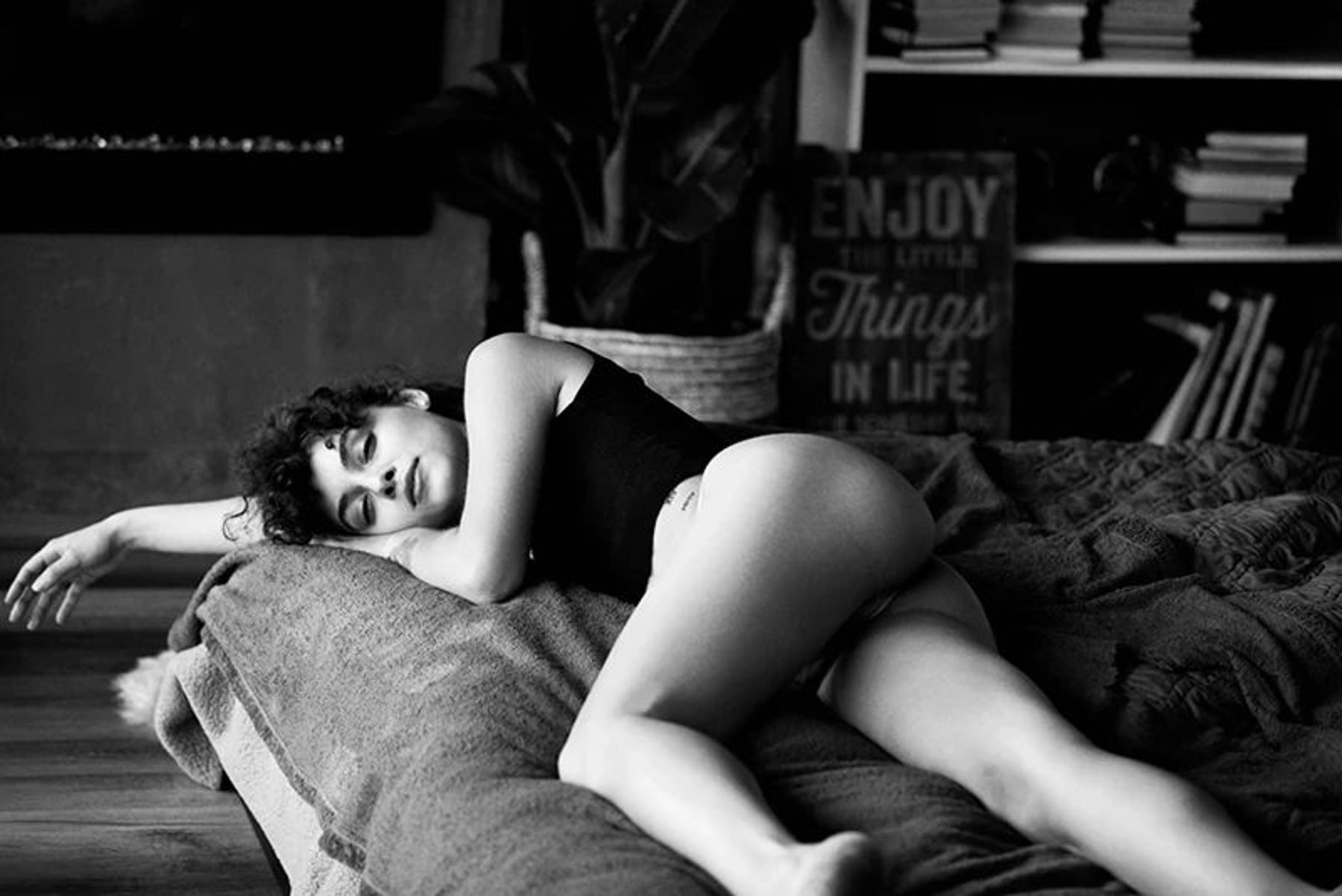
Editorial and fine-art photographers engage bare models for conceptual shoots that appear in galleries, books, and high-end publications. These collaborations are often highly creative, involving complex lighting setups, set design, and narrative direction. The model in such contexts is not merely a passive subject but an active collaborator in constructing the image's meaning.
Commercial applications include work in health and wellness advertising, body-positive campaigns, medical and anatomical illustration, and the beauty industry — where skin, body, and form are central to the product being communicated. These sectors represent a growing share of modelling work, driven by changing cultural attitudes toward body representation.
Benefits to the industry
The presence of bare modelling within the broader creative industries provides distinct and measurable benefits. For photographers, it represents the purest test of compositional and lighting skill — with no garments to shape or style, the image lives or dies on the quality of light, pose, and form. Many leading photographers cite nude work as the discipline that sharpened their technical craft most significantly.
For advertisers and brands, bare imagery — when executed with taste and intentionality — is among the most memorable and impactful visual communication available. Campaigns for fragrance, skincare, lingerie, sportswear, and wellness regularly employ bare modelling precisely because skin and body communicate authenticity, aspiration, and humanity in ways that fully clothed imagery cannot.
For models themselves, bare work can represent the most creatively fulfilling and artistically significant projects of a career. It demands a level of trust, presence, and collaboration that elevates the model's role from mannequin to true creative partner — and the resulting images often become the most enduring of a photographer's or model's portfolio.